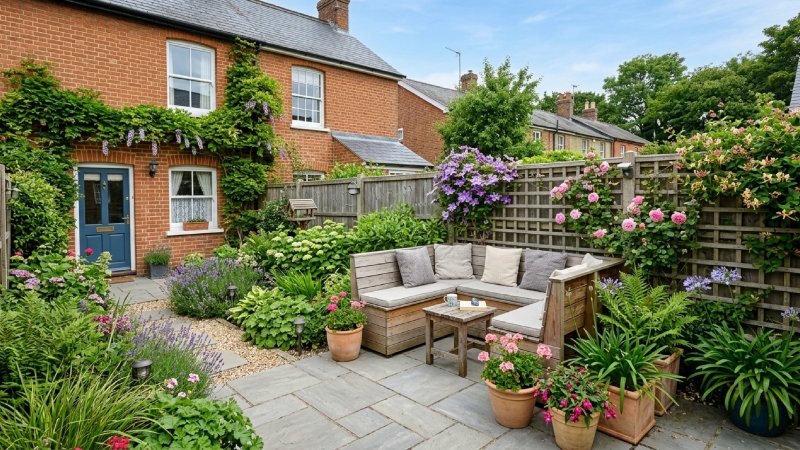
A small garden can be much more useful than it first appears. Many UK homes, particularly terraced houses and urban properties, have limited outdoor space. The challenge is to create a garden that feels comfortable without making it crowded.
The best approach is to focus on how the space will be used, then choose plants, furniture, and storage that fit those needs.
Whether you want a relaxing seating area, more privacy, space for growing plants, or a low-maintenance garden, these practical ideas can help you make better use of a small outdoor space.
1. Plan the Garden Before Buying Anything
One of the most common mistakes is buying plants and furniture before deciding how the garden should work.
Start by looking at the space you have. Think about:
- Where the sun reaches during the day
- Which areas stay shaded
- Where rainwater collects
- How you enter and move through the garden
- Where you need storage
- Whether you want seating or growing space
Smart solution
Choose one or two main purposes for the garden. For example, you might want a small seating area combined with container gardening.
This prevents the garden from becoming overcrowded and helps you spend money on things you will actually use.
2. Use Vertical Space
When floor space is limited, walls and fences become valuable gardening areas.
A trellis, wall planter or hanging basket can add greenery without taking up much ground space. Climbing plants can also make plain boundaries more attractive.
Suitable options depend on your garden’s conditions, but plants such as clematis and honeysuckle can be considered where their growing requirements are met.
Smart solution
Move some planting from the ground to the walls or boundaries. This leaves more room for walking, seating, and other useful features.
3. Choose Plants for Your Garden Conditions
There is no single list of “best plants” for every UK garden. A plant that performs well in a sunny garden may struggle in deep shade.
Before choosing plants, consider:
- Sunlight
- Soil type
- Moisture levels
- Available space
- Mature plant size
For suitable conditions, small gardens may benefit from plants such as lavender, thyme, heucheras, ferns, and hostas.
Smart solution
Always check the plant’s mature size rather than judging it by the size of the pot in the garden center. This simple step can prevent overcrowding later.
4. Make a Small Garden Feel More Spacious
A small garden can feel even smaller when every area is filled with furniture, pots and decorations.
You do not need to remove everything. Instead, create a clear visual structure.
Smart solution
Keep pathways open, repeat a few materials or plant types, and avoid placing large objects in the middle of the garden.
Using the boundaries for planting and storage can also leave the central area more open.
5. Create Privacy Without Losing Valuable Space
Privacy can be a challenge when neighboring homes are close together.
A large fence or bulky screen may solve the privacy problem but can make a small garden feel enclosed.
Smart solution
Use a combination of trellis, suitable climbing plants, tall containers, or appropriate screening.
This can provide privacy while keeping the garden visually lighter.
For permanent changes to boundaries or structures, check the relevant rules for your property and local area.
6. Choose Furniture That Fits the Space
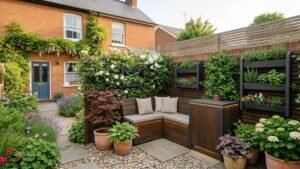
Large garden furniture can quickly dominate a compact garden.
For many small spaces, a compact bench, bistro table, or folding chairs may be more practical than a large outdoor dining set.
Smart solution
Look for furniture that has more than one purpose. A storage bench, for example, can provide seating while giving you somewhere to keep cushions or garden accessories.
Foldable furniture is another useful option because it can be moved or stored when you need more open space.
7. Use Containers for Flexible Gardening
Containers are useful when you have limited planting space or want the ability to change your garden layout.
They can be used for flowers, herbs and some vegetables.
Smart solution
Instead of placing many small pots around the garden, group a few well-chosen containers together.
Use containers with suitable drainage and choose their size according to the plant you intend to grow.
8. Create a Low-Maintenance Garden
A small garden is not automatically easy to maintain. Too many plants, a demanding lawn, or unsuitable planting can create extra work.
Smart solution
Choose plants that suit your garden conditions and avoid planting more than the space can comfortably support.
If you do not need a lawn, you could consider using part of the area for paving, planting beds, gravel, or another suitable surface.
The best option depends on drainage, how you use the garden and the existing condition of the space.
9. Grow Herbs in a Small Space
You do not need a large garden to grow useful herbs.
Depending on the growing conditions, herbs such as thyme, rosemary, chives and parsley can be grown in containers.
Mint can also be useful, although growing it in a container can help prevent it from spreading into other areas.
Smart solution
Keep herb containers somewhere convenient and make sure they receive the light and drainage they need.
A vertical planter can also create a dedicated herb-growing area without using much floor space.
10. Grow Vegetables in Containers
Limited space does not mean you have to give up on growing vegetables.
Some crops can be grown successfully in containers when they receive suitable light, water, and growing conditions.
Options can include salad leaves, radishes, strawberries, and certain compact vegetables.
Smart solution
Start with a small number of crops instead of trying to grow many varieties at once. This makes watering, feeding and harvesting easier to manage.
11. Make Storage Part of the Design
Tools, watering cans, pots and outdoor accessories can make a small garden look untidy very quickly.
Storage should therefore be considered as part of the original garden layout.
Smart solution
Use vertical tool storage, a narrow storage box, or a suitable storage bench.
Place storage against a boundary where possible so the center of the garden remains available for seating and planting.
12. Deal With Rain and Drainage Properly
Rain and poor drainage can create problems in gardens, particularly where water remains on the surface after heavy rainfall.
Adding more plants or paving will not necessarily fix the underlying problem.
Smart solution
Watch where water naturally collects during wet weather. Keep existing drainage points clear and avoid blocking routes used by rainwater.
If your garden has persistent waterlogging, consider getting professional advice before carrying out major landscaping work.
13. Make a Narrow Garden Feel Wider
Some UK gardens are long and narrow rather than simply small.
Large furniture placed across the garden can make this shape feel even tighter.
Smart solution
Use the length of the garden. A simple pathway can guide the eye towards the far end, while planting can be kept along the sides.
Avoid creating too many solid barriers across the width.
14. Use Outdoor Lighting Carefully
Good lighting can make a small garden more useful in the evening.
You can highlight a pathway, seating area, or attractive planting without installing lights everywhere.
Smart solution
Use a small number of well-positioned outdoor lights. This keeps the design simple and avoids making the garden look cluttered.
Always use lighting designed for outdoor use and follow the manufacturer’s installation instructions.
15. Create One Comfortable Garden Corner
You do not need a large patio to create a place to relax.
A small bench or two compact chairs can turn an unused corner into a useful outdoor space.
Smart solution
Choose the location based on how you use the garden. Consider sunlight, shade, privacy, and the view from your home.
A comfortable corner is often more useful than filling the entire garden with furniture.
16. Use Garden Boundaries Wisely
Walls and fences take up space, but they can also become useful parts of your garden design.
Smart solution
Use suitable boundaries for:
- Climbing plants
- Trellis
- Vertical planters
- Compact storage
- Privacy solutions
This keeps useful features around the edges and leaves more central space available.
17. Improve Your Garden Without a Large Budget
A small garden does not always need a complete makeover.
You can make noticeable improvements by concentrating on the areas that cause the biggest problems.
For example, you could:
- Reorganize existing furniture
- Add a few suitable containers
- Improve garden storage
- Refresh tired planting
- Add simple outdoor lighting
- Clean existing paving
- Create a dedicated seating corner
Smart solution
Work in stages. Fix the biggest problem first rather than buying lots of new items at once.
This makes it easier to control your budget and see which changes actually improve the garden.
Common Small Garden Mistakes to Avoid
Good garden design is not only about what you add. It is also about knowing what to avoid.
Overcrowding
Too many plants and decorations can make a small garden feel smaller.
Choosing plants without checking their mature size
A plant may look small when purchased but become too large for the available space.
Ignoring drainage
Poor drainage can damage plants and outdoor surfaces and make the garden difficult to use.
Buying furniture that is too large
Always measure the available space before purchasing outdoor furniture.
Trying to use every centimeter
An outdoor space needs some open area. Empty space is not wasted space when it helps the garden feel comfortable and usable.
How to Choose the Right Small Garden Idea
The best solution depends on your particular garden.
Before making changes, ask yourself:
Do I need more privacy?
Focus on trellis, planting, and suitable screening.
Do I want more greenery?
Consider vertical gardening and containers.
Do I want less maintenance?
Simplify the planting and choose plants suited to your conditions.
Do I want somewhere to sit?
Prioritise compact furniture before adding decorative features.
Do I want to grow food?
Use containers or a small dedicated growing area.
Does the garden stay wet?
Investigate drainage before making major changes.
This approach helps you choose solutions based on your actual needs rather than simply following garden trends.
Frequently Asked Questions
How can I make a small garden look bigger?
Keep the design simple, avoid overcrowding, and leave some open space. Using vertical planting and keeping larger features around the edges can also help.
What are good plants for a small UK garden?
The right choice depends on sunlight, soil, and moisture. Suitable herbs, compact perennials, and plants that tolerate your garden’s conditions can all work well.
How can I make a small garden low maintenance?
Choose suitable plants, avoid overcrowding, keep the layout simple, and reduce areas that require frequent mowing or maintenance.
How can I add privacy to a small garden?
Trellises, climbing plants, tall containers, and suitable screening can provide privacy while using less floor space than bulky structures.
Can I grow vegetables in a small UK garden?
Yes. Containers and small raised beds can provide useful growing space for suitable vegetables, herbs, and fruit.
How can I improve a small garden on a budget?
Start with the biggest practical problem. Reorganizing furniture, improving storage, refreshing planting, and adding a few carefully selected features can make a difference without requiring a complete makeover.
Final Thoughts
A small garden does not have to feel cramped or difficult to use. The most effective approach is to design the space around your actual needs.
Use vertical areas for planting, choose plants according to your garden conditions, keep furniture compact, and make storage part of the layout. If your garden has drainage or privacy problems, solve those issues before adding unnecessary decorative features.
Most importantly, do not feel that every part of the garden needs to be filled. A well-planned small garden uses limited space intelligently, leaving enough room for you to actually enjoy it.