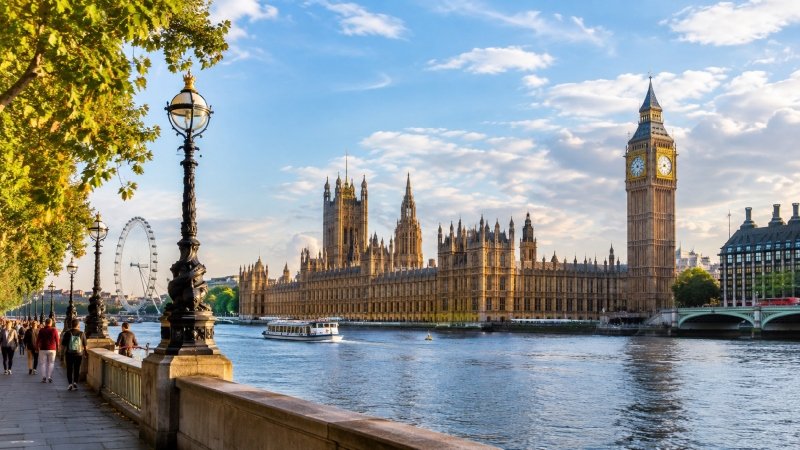
London is a city where centuries of history meet modern culture. You can spend the morning exploring a medieval fortress, the afternoon visiting a world-class museum, and the evening watching a West End performance. Add historic neighborhoods, royal landmarks, beautiful parks, lively markets, and the River Thames, and it is easy to see why London remains one of the most visited cities in the world.
For first-time visitors, the challenge is not finding something to do—it is deciding what is actually worth your time.
This guide highlights 15 of the best things to do in London, with practical ideas for planning your days and getting more from each experience.
1. Explore the Tower of London.
If you want to understand London’s history, the Tower of London is an excellent place to begin. This historic fortress on the River Thames has played many roles over the centuries, including royal residence, fortress, and prison.
Today, visitors can explore its historic buildings and exhibitions and see the Crown Jewels. The famous White Tower is one of the most recognizable parts of the complex.
The Tower is more than just a photo opportunity. Walking through its grounds gives you a sense of how London developed around the Thames and why this location was so important to the city’s history.
Tip: Give yourself several hours rather than trying to squeeze the Tower into a quick visit.
2. See Big Ben and the Houses of Parliament.
Big Ben is arguably the most recognizable symbol of London. The famous clock is part of the Elizabeth Tower, which stands beside the Houses of Parliament at Westminster.
One of the best ways to appreciate the area is to walk across Westminster Bridge. From there, you can see the Thames, the Palace of Westminster, and the surrounding London skyline.
This is also a convenient area for combining several attractions in one outing. Westminster Abbey, St James’s Park, and Buckingham Palace are all within a reasonable walking distance.
Best for: First-time visitors, photography, architecture, and sightseeing.
3. Visit Westminster Abbey.
Located close to the Houses of Parliament, Westminster Abbey is one of Britain’s most historically significant buildings.
The abbey has been associated with royal coronations and other major national occasions for centuries. Inside, visitors can admire its Gothic architecture, historic chapels, monuments, and memorials.
It is worth allowing enough time to appreciate the details rather than simply walking through quickly.
Because visitor access and opening arrangements can vary, check the official information before planning your visit.
4. Ride the London Eye for City Views
For a different perspective of London, take a ride on the London Eye. The giant observation wheel stands on the South Bank of the Thames and offers panoramic views across central London.
From the capsules, you can see landmarks such as Westminster, the Houses of Parliament, and parts of the city’s skyline.
A clear day generally provides better visibility, so weather can make a difference to the experience.
Tip: If photography is important to you, consider visiting during daylight rather than after dark.
5. Watch the Changing of the Guard at Buckingham Palace
Buckingham Palace is one of London’s most famous royal landmarks. While the palace itself is not open to visitors throughout the year, seeing the Changing of the Guard can be a memorable experience.
The ceremony is connected with the formal changing of the soldiers responsible for guarding the palace. It is popular, so crowds can gather well before the event begins.
Afterward, take a walk through nearby St James’s Park. Combining the palace with the park makes the experience more relaxed and gives you a chance to escape the crowds.
Important: The ceremony schedule can change because of weather, official events, or other circumstances, so check the current schedule before traveling.
6. Spend Time in Hyde Park
London is famous for its parks, and Hyde Park is one of the city’s most popular green spaces.
Instead of treating it as simply a place to pass through, consider slowing down and spending an hour or two there. You can walk beside the Serpentine, sit and enjoy the surroundings, or use the park as a break between sightseeing stops.
Hyde Park is particularly useful for travelers who want some quiet time after visiting busy central attractions.
7. Discover History at the British Museum
The British Museum is one of the best places in London for anyone interested in human history and world cultures.
Its collections span thousands of years and include objects from ancient civilizations and many different parts of the world. You can easily spend several hours exploring its galleries.
One advantage of including a museum in your itinerary is that it gives you a worthwhile activity when London’s weather is less cooperative.
General admission to the main collection is free, although some temporary exhibitions may have separate charges.
Tip: Don’t try to see everything. Choose a few sections that interest you and explore them properly.
8. Walk Along the River Thames
You do not always need to buy a ticket to enjoy one of London’s best experiences.
Walking beside the River Thames allows you to see some of the city’s most famous landmarks from a different perspective. Depending on your route, you can pass bridges, historic buildings, modern architecture, restaurants, and cultural attractions.
The South Bank is particularly enjoyable for a leisurely walk, while the Westminster and Tower Bridge areas offer excellent sightseeing opportunities.
Walking also allows you to discover places that you might otherwise miss while traveling by Underground.
9. Visit Tower Bridge
Tower Bridge is one of the most distinctive bridges in London. Its towers, suspension elements, and location beside the Tower of London make it an essential stop for many visitors.
You can photograph the bridge from the riverbank or visit the Tower Bridge exhibition to learn about its construction, history, and engineering.
For a simple sightseeing day, combine Tower Bridge with the Tower of London and a walk along the Thames. These attractions are close enough to create an efficient itinerary.
10. Explore the Natural History Museum
The Natural History Museum is an excellent choice for families and anyone fascinated by science and the natural world.
Its galleries cover subjects including dinosaurs, fossils, animals, geology, and Earth’s history. The museum building itself is also impressive and worth taking time to appreciate.
Because there is so much to see, families may want to choose a few exhibits in advance rather than attempting to cover the entire museum.
Tip: Check current visitor information before going, especially during school holidays and busy periods.
11. Experience the Atmosphere of Covent Garden
Covent Garden offers a completely different experience from London’s major historic landmarks.
The area is known for its market, shops, restaurants, cafés, entertainment, and street performances. It is a great place to explore at a relaxed pace after visiting nearby attractions.
Rather than spending all your time in one market area, walk through the surrounding streets and discover the neighborhood’s smaller shops and restaurants.
Covent Garden also works well as part of a walking route connecting the British Museum, Leicester Square, Soho, and the West End.
12. See a Show in London’s West End
London’s West End is famous for its theaters and long-running productions. Watching a musical, play, or other live performance can add something special to a sightseeing trip.
The experience is particularly appealing if you have already spent several days visiting museums and historic landmarks and want an evening activity.
Tickets vary considerably in price depending on the production, date, and seating. Popular shows can sell out, so planning ahead is often worthwhile.
Budget tip: Compare official ticket options and look for legitimate availability rather than relying on unofficial sellers.
13. Visit St Paul’s Cathedral
St Paul’s Cathedral is one of London’s most recognizable architectural landmarks. Its large dome has been an important part of the city’s skyline for centuries.
Inside, visitors can appreciate the architecture, artwork, memorials, and historic spaces. Depending on the visitor route and access available on the day, you may also be able to climb to higher levels for views over London.
Its location makes it easy to combine with other attractions. Millennium Bridge, the River Thames, and the Tate Modern are all nearby.
14. Explore Camden Market
Camden has a distinctive character that sets it apart from many traditional sightseeing areas in London.
Camden Market is known for its food stalls, independent retailers, fashion, artwork, gifts, and alternative atmosphere. It is a good choice if you want to experience a more contemporary and diverse side of the city.
Food is another major reason to visit. You can find a wide variety of international dishes, making the market an easy place to stop for lunch while exploring the neighborhood.
Tip: Visit with enough time to browse. Camden is better experienced slowly than as a quick photo stop.
15. Enjoy Art at the National Gallery
Located in Trafalgar Square, the National Gallery is a must-visit for art enthusiasts and a worthwhile stop even for casual visitors.
The collection includes European paintings from different periods, giving visitors the opportunity to see important works within a single central London location.
You do not need to be an art expert to enjoy the gallery. Pick a few areas that interest you and take time to look at the paintings rather than trying to cover the entire collection.
After your visit, you can easily walk toward Leicester Square, Covent Garden, or the West End.
Best Free Things to Do in London
London can be expensive, but you do not need a large budget to enjoy the city.
Some museums offer free general admission, while parks, public squares, riverside walks, and many neighborhoods can be explored without an entrance fee.
Some of the best budget-friendly experiences include:
- Walking along the River Thames
- Exploring Hyde Park
- Visiting the British Museum’s permanent collection
- Visiting the National Gallery
- Photographing Big Ben and Westminster
- Exploring Covent Garden
- Walking through central London neighborhoods
- Enjoying the atmosphere around Trafalgar Square
Remember that free admission does not necessarily mean every exhibition or special event is free, so check current visitor information before going.
How to Plan Your London Sightseeing
London is large, and trying to visit attractions randomly can waste valuable time.
A better strategy is to group attractions that are close together.
Westminster Area
You can combine:
- Big Ben
- Houses of Parliament
- Westminster Abbey
- Buckingham Palace
- St James’s Park
Tower Area
Consider combining:
- Tower of London
- Tower Bridge
- River Thames walk
Central London
A central itinerary could include:
- British Museum
- Covent Garden
- National Gallery
- Trafalgar Square
- West End
Planning this way reduces unnecessary travel and gives you more time to actually enjoy each place.
Getting Around London
London has an extensive public transportation system, making it relatively easy to move between attractions.
The Underground, commonly known as the Tube, is particularly useful for longer journeys across the city. Buses can also be convenient and allow you to see parts of London while traveling.
For nearby attractions, walking is often the best option. Some of London’s most interesting experiences happen between the major tourist sites rather than inside them.
Before your trip, check current transportation fares, routes, payment methods, and service updates because these details can change.
When Is the Best Time to Visit London?
London is a year-round destination, but each season has advantages.
Spring: Parks and gardens become especially attractive, and temperatures are often comfortable for walking.
Summer: Longer daylight hours make it easier to fit several outdoor activities into one day, although popular attractions can be busy.
Autumn: Cooler weather and seasonal colors make walking around London’s parks and neighborhoods enjoyable.
Winter: The days are shorter, but museums, galleries, theaters, markets, and indoor attractions provide plenty to do.
For many travelers, the best time depends more on personal priorities than on one particular season.
How Many Days Should You Spend in London?
For a first visit, three to five days is a practical starting point.
With three days, focus on London’s major landmarks and choose a few museums or neighborhoods that interest you most.
With five days or longer, you can slow down and explore additional areas instead of moving from attraction to attraction all day.
Trying to see everything in one short visit can make a trip tiring. A well-planned itinerary with some free time is usually more enjoyable.
Practical Tips for Visiting London
Book popular attractions early: Major landmarks and theater productions can become busy, particularly during peak travel periods.
Wear comfortable shoes: London sightseeing often involves much more walking than visitors expect.
Check opening times: Museums, historic buildings, and ceremonies may have different schedules on different days.
Plan around locations: Group nearby attractions together to reduce travel time.
Keep your belongings secure: As in any busy tourist destination, be particularly careful with valuables in crowded areas and on public transportation.
Leave room for spontaneity: Some of the most enjoyable London experiences come from discovering a neighborhood, café, bookstore, or small street while walking between planned attractions.
Final Thoughts
London rewards travelers who take time to explore it rather than simply checking landmarks off a list.
The city’s famous attractions—such as the Tower of London, Big Ben, Buckingham Palace, Tower Bridge, and the London Eye—are worth seeing, but they are only part of the experience. Museums, parks, markets, theaters, riverside walks, and historic neighborhoods reveal different sides of the city.
For your first trip, create a realistic itinerary, group nearby attractions together, and leave enough time to enjoy each place. Most importantly, don’t feel pressured to see everything. A slower day spent exploring a few areas can often become more memorable than a packed schedule.
With thoughtful planning, London can offer a trip filled with history, culture, entertainment, and experiences that you will remember long after you leave.
Visit my website for more information