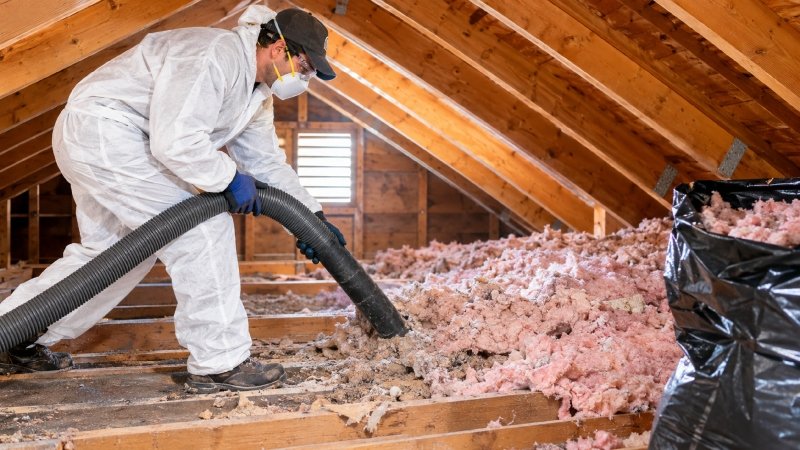
Attic insulation plays an important role in keeping your home comfortable and energy-efficient throughout the year. However, old or damaged insulation may need to be removed when it becomes wet, contaminated by pests, or unsuitable for further use.
If you are searching for attic insulation removal near me, understanding the removal process, estimated costs, and available options can help you make a better decision for your home.
In this guide, you will learn how much attic insulation removal may cost, what affects the price, when removal is necessary, and how to choose a reliable local contractor.
How Much Does Attic Insulation Removal Cost?
The cost of attic insulation removal depends on several factors, including attic size, insulation type, material condition, and accessibility.
Some published US cost guides estimate straightforward insulation removal at around $1 to $2 per square foot, while other projects may cost more depending on labor, contamination, and disposal requirements. A smaller, accessible attic may cost less to clean out than a large attic containing damaged or heavily contaminated insulation.
These figures are general estimates rather than guaranteed prices. Costs vary by location and contractor, so it is important to obtain a quote based on your property’s specific needs.
What Affects Attic Insulation Removal Costs?
Understanding the main cost factors can help you compare estimates and avoid unexpected expenses.
1. Size of the attic
Larger attics generally require more time, labor, and equipment. Contractors may calculate their estimates using square footage, the amount of insulation to be removed, or a combination of factors.
2. Type of insulation
Fiberglass batts, blown-in fiberglass, and cellulose insulation may require different removal methods. Loose-fill materials can require specialized vacuum equipment, while other materials may need careful manual removal.
3. Accessibility
A narrow attic entrance, limited headroom, steep roof slopes, or difficult working conditions can increase the time required to complete the job.
4. Mold, moisture, or pest contamination
Insulation affected by water damage, rodent droppings, or suspected mold may require additional precautions and cleaning. The contractor may also recommend investigating the source of the problem before installing new insulation.
5. Cleanup and disposal
Ask whether the quote includes debris collection, vacuuming, waste disposal, and final cleanup. Some contractors include these services in their estimates, while others charge separately.
6. Replacement insulation
Removing old insulation and installing new material are separate parts of the project. If you plan to upgrade your attic insulation, request an itemized quote covering both services.
How to Get an Accurate Cost Estimate
Before hiring a contractor, provide details about your attic’s approximate size, insulation type, visible damage, and accessibility. Photographs may help with an initial assessment, although an on-site inspection may still be necessary.
Request written estimates from at least two or three local companies. Compare the services included, not just the final price.
When Should You Remove Old Attic Insulation?
Not every old insulation system needs to be removed. If the material is dry, clean, and in good condition, it may be possible to retain it or add more insulation.
However, certain conditions may make removal necessary.
1. Water Damage and Damp Insulation
Roof leaks, plumbing problems, and condensation can allow moisture to reach attic insulation. Wet materials may lose some insulating performance and can contribute to further moisture problems.
Before replacing the insulation, identify and repair the source of the water. Otherwise, new material could develop similar problems.
2. Mold or Persistent Musty Smells
A musty smell may indicate excess moisture or possible mold growth. However, the smell alone does not confirm that mold is present.
A qualified professional can assess the affected area, investigate moisture sources, and recommend appropriate remediation. Simply covering a damp or contaminated area with fresh insulation will not solve the underlying problem.
3. Rodent or Pest Contamination
Mice, rats, and other pests may damage insulation by nesting in it or leaving droppings behind. Heavily contaminated material may need professional removal and cleaning.
It is also important to address entry points and the pest problem before installing replacement insulation. Otherwise, the new material may become contaminated again.
4. Roof Repairs or Attic Renovations
Roof repairs, electrical work, ventilation improvements, and attic conversions may require insulation to be moved or removed.
Ask the relevant contractor whether all the insulation needs to be removed or whether only the affected sections need to be cleared.
5. Suspected Asbestos-Containing Insulation
Some older homes contain vermiculite insulation that may be contaminated with asbestos. Vermiculite insulation cannot be identified as safe or unsafe by appearance alone.
If you suspect asbestos-containing material, do not disturb it, vacuum it, or attempt to remove it yourself. Contact a qualified asbestos professional to determine the appropriate assessment and handling procedures.
Can You Add New Insulation Without Removing the Old Material?
Yes, in some situations.
If the existing insulation is dry, relatively clean, and in good condition, adding new insulation may be a practical alternative to complete removal. This can reduce unnecessary waste and avoid paying for removal when it is not needed.
Before adding insulation, consider the following:
- Check for roof leaks and other sources of moisture.
- Make sure existing insulation is not contaminated by pests.
- Confirm that the current material is suitable to remain in place.
- Check attic ventilation and the condition of the roof structure.
- Ensure electrical equipment, recessed lights, and other heat-producing components are handled according to applicable safety requirements.
A qualified insulation contractor can assess whether adding insulation is appropriate for your home.
DIY Attic Insulation Removal vs. Professional Services
Some homeowners consider removing attic insulation themselves to reduce labor costs. Whether this is practical depends on the material, the condition of the attic, and the risks involved.
DIY Attic Insulation Removal
DIY removal may be possible for a small project involving known, non-hazardous insulation in a safe and accessible space.
However, insulation fibers and dust can irritate the skin, eyes, and respiratory system. Animal waste and other contaminants may also create health risks.
Anyone considering DIY work should understand the material, use appropriate protective equipment and containment methods, and follow local waste-disposal requirements. Never disturb suspected asbestos-containing insulation.
Hiring a Professional
Professional removal may be the better option when the attic contains extensive insulation, has difficult access, or shows signs of moisture or pest contamination.
A suitable contractor may provide equipment, controlled removal methods, cleanup, and appropriate waste handling. Specialized professionals may be needed when hazardous materials are suspected.
Before hiring a company, confirm its relevant qualifications, insurance coverage, and experience with your particular insulation type.
How to Find Attic Insulation Removal Near Me
Finding a suitable local contractor involves more than choosing the lowest quote. The right company should understand your insulation type, explain the removal process, and identify any problems that need attention.
Follow these steps when comparing services.
1. Search locally. Use terms such as “attic insulation removal near me,” “attic insulation removal contractor,” or “attic insulation removal cost” alongside your city or ZIP code.
2. Check recent reviews. Look for feedback about punctuality, communication, cleanup, and the accuracy of estimates.
3. Confirm relevant experience. Ask whether the contractor has worked with your insulation material and whether they can handle moisture or pest-related issues.
4. Request multiple estimates. Comparing two or three written quotes can help you understand local pricing and identify differences in the proposed work.
5. Check what is included. Confirm whether removal, cleanup, disposal, and any additional assessment are included in the quoted price.
6. Ask about replacement options. If new insulation is needed, request a separate estimate so you can compare the removal cost with the complete project cost.
7. Get the agreement in writing. The estimate should explain the scope of work, payment terms, possible additional charges, and any relevant warranties.
A reliable contractor should explain the available options clearly and avoid recommending unnecessary work without a reasonable explanation.
What to Ask Before Hiring an Insulation Contractor
Before approving the work, ask these important questions:
- What is the total estimated cost, and how is it calculated?
- Does the price include cleanup and disposal?
- Will you inspect the attic for water damage or pest contamination?
- Does the material need testing before removal?
- What qualifications or specialist services are required for this project?
- Could additional charges arise if hidden damage is discovered?
- Can some of the existing insulation remain?
- If replacement insulation is recommended, what material and insulation level would be suitable?
Clear answers can help you compare contractors fairly and understand exactly what you are paying for.
Frequently Asked Questions
How much does attic insulation removal cost?
The price depends on attic size, insulation type, accessibility, and contamination. Some published US estimates put certain removal jobs around $1 to $2 per square foot, but total project costs can vary considerably. Request a local estimate for a more accurate figure.
Is it cheaper to remove insulation or add new insulation?
Adding insulation may be more economical when the existing material is clean, dry, and suitable to remain in place. Removal may be necessary when the material is damaged, contaminated, or needs to be cleared for renovation work.
Can I remove attic insulation myself?
Some small projects involving known, non-hazardous materials may be manageable with appropriate precautions. However, suspected asbestos, extensive contamination, and unsafe attic conditions require professional assessment or specialist handling.
How long does attic insulation removal take?
The time required depends on the attic’s size, insulation type, accessibility, and condition. A straightforward project may take less time than one involving heavy contamination, difficult access, or additional cleanup. Ask your contractor for an estimated schedule after assessing the property.
Should I replace attic insulation after removal?
Replacement may be worthwhile if the existing insulation is damaged, inadequate, or unsuitable for reuse. However, replacement is not automatically necessary in every situation. Address leaks, moisture, ventilation concerns, and other underlying issues before installing new material.
How do I find affordable attic insulation removal near me?
Compare written estimates from several local contractors and check what each price includes. Consider the contractor’s experience, cleanup procedures, disposal arrangements, and qualifications rather than choosing solely on price.
Final Thoughts
Attic insulation removal can help address moisture damage, pest contamination, and insulation that is no longer suitable for use. However, removing all existing insulation is not always necessary.
The best approach depends on the condition of your attic, the type of insulation, and the reason for removal. Compare local estimates, ask clear questions, and make sure underlying problems are addressed before installing replacement material.
By understanding the costs and available options, you can choose a practical solution that supports your home’s comfort, safety, and energy efficiency while keeping your home improvement budget under control.