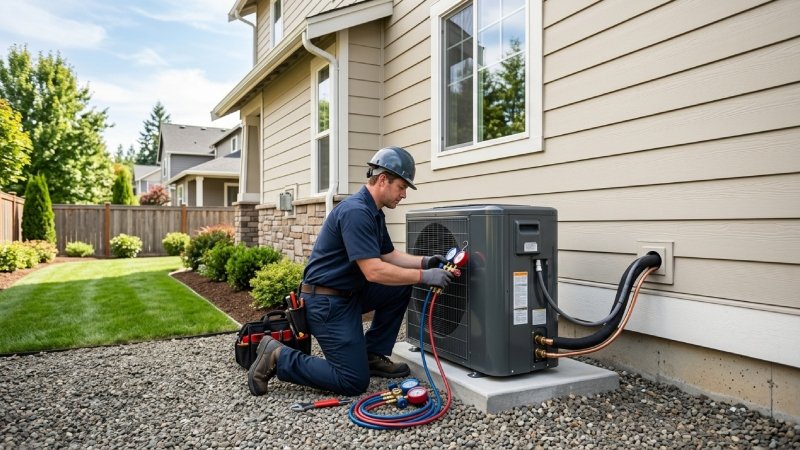
A heat pump can heat your home in winter and cool it in summer. Because one system can handle both jobs, many homeowners are considering heat pumps when replacing an old heating or cooling system.
But how much does a heat pump cost to install?
The answer depends on several things. The type of heat pump, home size, existing ductwork, electrical work, labor, and local installation requirements can all change the final price.
According to ENERGY STAR, a typical air-source heat pump project can cost about $10,000 to $25,000. This is only a general range. Your actual cost may be lower or higher depending on your home and the system you choose.
How Much Does a Heat Pump Cost to Install?
For many U.S. homeowners, installing an air-source heat pump can be a major home improvement expense. The total price normally includes the equipment, labor, materials, and other work needed to get the system running.
A simple replacement may cost less than a project that needs new ductwork or electrical upgrades.
The best way to know the actual price is to get a professional estimate for your home.
What Affects Heat Pump Installation Cost?
There is no single price for every home. Several factors can change the total cost.
Type of Heat Pump
Different heat pumps have different installation requirements.
Air-source heat pumps are one of the most common options. They move heat between your home and the outdoor air.
Ductless mini-split heat pumps can be useful when a home does not have suitable ductwork. They use indoor units connected to an outdoor unit.
Geothermal heat pumps use the ground as a heat source or heat sink. They require underground loops, making installation more complex and usually more expensive than an air-source system.
The U.S. Department of Energy notes that geothermal systems can have higher upfront costs because of the ground-loop installation.
Size of Your Home

The size of your home affects the size and capacity of the heat pump you need.
A larger home may require a larger system or multiple indoor units. However, simply choosing the biggest system is not the right approach.
A properly sized system is important for comfort and efficient operation. A qualified HVAC professional should assess the home’s heating and cooling needs before recommending equipment.
Existing Ductwork
If your home already has ductwork, the installer may be able to use it with the new heat pump.
However, old or damaged ducts can create problems. Leaks, poor insulation, or incorrect sizing can reduce system performance.
If major duct repairs or replacement are needed, they can add to the project cost.
Electrical Work
Some homes may need electrical changes before a new heat pump can be installed.
The installer may find that the electrical panel, wiring, or other components need an upgrade. This is more likely to affect older homes.
Not every installation needs electrical work, so it should be checked before the project begins.
Labor
Labor is another important part of the installation price.
The work may include removing old equipment, installing the new system, connecting indoor and outdoor components, checking refrigerant lines, making electrical connections, and testing the system.
A straightforward replacement may require less labor than a completely new installation.
Heat Pump Installation vs. Replacement
Installing a heat pump for the first time can be different from replacing an existing heat pump.
If your home already has a suitable HVAC setup, some parts of the existing system may be reusable.
A first-time installation may require additional work. For example, the home may need new ductwork, electrical changes, or new indoor units.
This is one reason online price estimates can be very different from the quote you receive from a local HVAC company.
Does a Heat Pump Save Money?
A heat pump can use energy efficiently because it moves heat instead of creating heat in the same way as many traditional heating systems.
ENERGY STAR says certified heat pumps can provide efficient heating and cooling and may help homeowners reduce energy use.
However, there is no guaranteed amount that every homeowner will save.
Your results can depend on your local climate, electricity prices, home insulation, ductwork, thermostat settings, system efficiency, and the heating system you are replacing.
A heat pump may also have a higher upfront installation cost, so homeowners should look at both the purchase price and expected operating costs.
Does Home Insulation Matter?
Yes. Your home’s insulation can affect how hard your heating and cooling system has to work.
If a house loses a lot of heat through the attic, walls, windows, or air leaks, the heat pump may need to run more often to maintain a comfortable temperature.
Improving insulation and sealing major air leaks can help reduce heating and cooling loads.
The Department of Energy recommends considering home-envelope improvements when planning heat-pump projects because these improvements can reduce energy needs and may affect the required system size.
Are There Rebates for Heat Pumps?
Possible rebates and incentives depend on where you live and which program you qualify for.
Some programs are offered through states, utilities, local governments, or other organizations. Eligibility can also depend on the equipment and the homeowner’s situation.
The Department of Energy explains that Home Energy Rebates are administered by individual states, territories, and Tribes.
Homeowners should check current programs before assuming that a rebate will reduce their installation cost.
ENERGY STAR also provides a Rebate Finder that can help homeowners look for available local incentives.
How to Get a Better Heat Pump Installation Estimate
Before choosing an installer, get detailed quotes rather than comparing only the final price.
Ask each contractor what is included in the estimate.
A good estimate should clearly explain:
- Heat pump equipment
- Installation labor
- Removal of old equipment
- Ductwork changes
- Electrical work
- Required materials
- Permits, if applicable
- Warranty information
- Maintenance requirements
You should also ask whether the proposed system has been properly sized for your home.
Two quotes can have very different prices because they may include different equipment or different amounts of installation work.
Questions to Ask an HVAC Contractor
Before signing a contract, ask a few simple questions.
What size heat pump do I need?
The contractor should explain how they determined the system size.
Can my existing ductwork be used?
If you already have ducts, ask whether they are suitable for the new system.
Will I need electrical upgrades?
Find out before installation begins so you can plan for additional costs.
What is included in the total price?
Ask whether labor, materials, removal, permits, and other required work are included.
What warranty comes with the system?
Understand what the equipment warranty covers and whether installation work has a separate warranty.
Are there local rebates?
Ask about current programs, but verify the requirements with the relevant government agency or utility before counting the rebate in your budget.
Ways to Keep Installation Costs Under Control
You do not necessarily need to choose the cheapest system.
Instead, focus on getting the right system for your home and comparing complete installation estimates.
Getting quotes from several qualified contractors can help you understand the local price range.
You can also ask whether your existing ductwork and electrical system can be reused. If they are already suitable, avoiding unnecessary replacement work may reduce the total project cost.
At the same time, cutting corners on sizing or installation can create problems later. A heat pump should be installed according to the manufacturer’s requirements and local codes.
Is a Heat Pump a Good Choice for Your Home?
A heat pump can be an attractive option for homeowners who want heating and cooling from the same system.
It may be especially worth considering when an old HVAC system is already near the end of its useful life.
However, the right choice depends on your home, climate, energy prices, existing HVAC system, insulation, and installation cost.
Instead of looking at the equipment price alone, consider the complete cost of ownership. This includes installation, electricity use, maintenance, repairs, and the expected life of the system.
Final Thoughts
The heat pump installation cost can vary widely from one home to another. ENERGY STAR currently gives a general range of about $10,000 to $25,000 for a typical air-source heat pump project, but your actual price will depend on the system and the work required.
The biggest factors include equipment type, system size, ductwork, electrical requirements, labor, and the condition of your home.
Before making a decision, get a detailed estimate from a qualified HVAC professional. Compare what each quote includes, check whether the system is correctly sized, and look for current local incentives.
A well-planned installation can give your home one system for both heating and cooling while helping you make a more informed long-term home improvement decision.