How to Use It, Benefits, and Safety Tips
Hot water makes many daily tasks easier, from taking a shower to washing dishes. In many homes, a traditional water heater stores hot water in a large tank. An instant electric water heater takes a different approach. Instead of storing a large amount of hot water, it heats water as it passes through the unit.
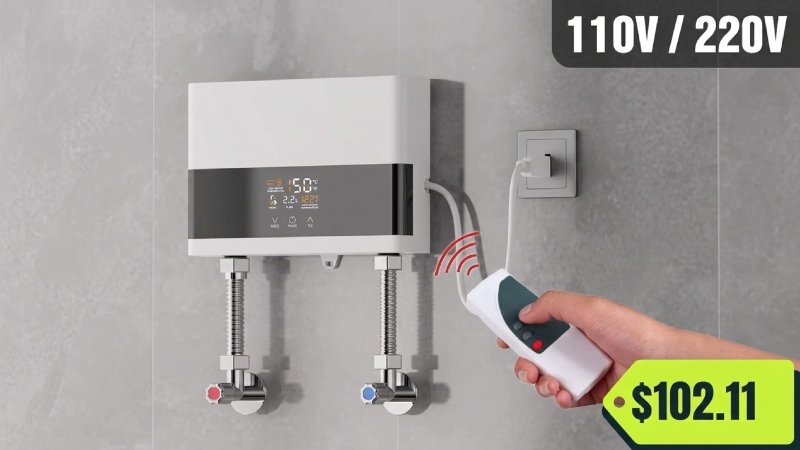
This type of heater can be useful in bathrooms and kitchens, especially where space is limited. Many modern models are wall-mounted and may include an LCD temperature display and remote control.
However, buying an instant water heater is not just about looking at its features or price. You need to understand how it works, how to use it properly, what affects its performance, and how to install and maintain it safely.
Click & Buy:
What Is an Instant Electric Water Heater?
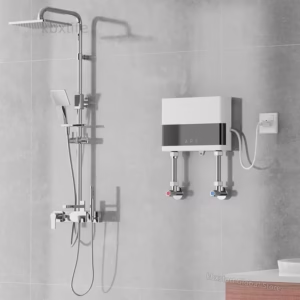
An instant electric water heater is a compact appliance that heats water when you need it. It is also commonly called a tankless water heater.
A traditional heater usually keeps a supply of hot water inside a tank. An instant heater does not need the same type of storage tank. Instead, cold water enters through an inlet and passes over or through an electric heating element.
As the water moves through the heater, its temperature increases. The heated water then leaves through the outlet and travels to the connected shower, faucet, or sink.
The amount of heat the unit can provide depends on its power, water flow, incoming water temperature, and selected temperature setting.
How Does an Instant Water Heater Work?
The basic process is simple.
When you open a connected water outlet, water starts flowing through the heater. Depending on the model, a flow sensor detects the movement of water and activates the heating system.
The electric heating element then warms the water as it passes through the unit.
This means you do not normally need to wait for a large tank to heat before using hot water.
However, instant heating does not mean unlimited heating capacity. Every heater has a maximum power level. If the water flows too quickly, the heater may not be able to raise the temperature as much as you expect.
For this reason, water flow and heating power need to work together.
How to Use an Instant Electric Water Heater
The exact controls can vary from one model to another, so the manufacturer’s manual should always be followed. Still, the general process is usually similar.
Check the Installation First
Before turning the heater on, make sure the water and electrical connections have been installed correctly.
An instant electric heater can require significant electrical power. It should be connected to an appropriate electrical circuit rather than an unsuitable extension cord or improvised wiring.
If you are unsure about the electrical installation, use a qualified electrician.
Turn on the power.
Once the installation has been checked, turn on the appropriate power supply.
If the heater has an LCD display, the screen may show the selected temperature or other operating information.
Set the Temperature
Choose a suitable temperature using the controls or remote control if the model includes one.
It is generally better to begin with a moderate temperature and adjust it gradually. Extremely hot water can cause burns and is not necessary for most everyday tasks.
Open the Faucet or Shower.
Open the connected water outlet.
Once the heater detects the required water flow, it may begin heating automatically.
Allow the system to operate according to the manufacturer’s instructions.
Adjust the Temperature and Flow
If the water is not warm enough, check the temperature setting first.
If the temperature is still lower than expected, the water flow may be too high for the heater’s available heating capacity. Some systems can provide hotter water when the flow is reduced.
Never exceed the recommended operating conditions listed by the manufacturer.
Main Benefits of an Instant Water Heater
1. It Does Not Need a Large Storage Tank
One of the biggest advantages is the lack of a large hot-water storage tank.
This can make the system useful for smaller homes, apartments, bathrooms, and kitchens where floor or storage space is limited.
2. It Can Provide Hot Water When Needed
Because the heater warms water as it flows through the unit, you do not normally have to wait for a large tank to heat.
This can be convenient when hot water is needed at different times during the day.
3. Wall-Mounted Design Saves Space
Many instant water heaters are designed to be installed on a wall.
A compact wall-mounted unit can be easier to fit into a small bathroom or near a kitchen sink than a large traditional tank.
4. Temperature Control Makes Use Easier
A model with an LCD display can make temperature settings easier to monitor.
Some models also include remote controls, which can provide additional convenience when adjusting the unit.
The actual features vary by model, so always check the product specifications.
5. Useful for Point-of-Use Applications
An instant heater can be useful when hot water is required at a specific location.
For example, a homeowner may install one near a kitchen sink rather than heating and storing a large amount of water elsewhere.
Can It Be Used in a Bathroom?
Some instant electric water heaters are designed for bathroom use, including shower applications.
However, bathrooms need special attention because water and electricity are used in the same area.
Before installation, check the manufacturer’s requirements for bathroom use, electrical protection, grounding, water pressure, and installation location.
Electrical connections should be properly protected from water.
If you do not have experience with electrical installation, do not attempt to wire the heater yourself. A qualified professional can make sure the system is installed correctly.
Can It Be Used in a Kitchen?
Yes, an appropriately rated instant water heater can be useful in a kitchen.
It can provide warm or hot water near a sink for tasks such as washing dishes and cleaning.
Kitchen use may have different requirements from shower use. A sink may need a different water flow and temperature than a shower.
Before choosing a heater, check its flow requirements and heating capacity to make sure they match the intended application.
110V vs. 220V: What Should You Know?
Voltage is one of the most important things to check before buying an electric water heater.
A 110V heater and a 220V heater are designed for different electrical supplies. They should not be connected to a voltage that is outside the manufacturer’s specified range.
Before installation, check:
- Rated voltage
- Power or wattage
- Circuit requirements
- Wiring requirements
- Plug or connection type
Using the wrong electrical supply can damage the heater and create a serious safety hazard.
Why Is the Water Not Getting Hot Enough?
Several issues can cause low water temperature.
Water Flow Is Too High
An instant heater has a limited heating capacity. If water passes through the unit too quickly, there may not be enough heating capacity to reach the selected temperature.
Check the recommended flow rate in the product manual.
The Temperature Setting Is Too Low
The simplest cause may be an incorrect temperature setting.
Check the LCD display or controls and make sure the desired setting has actually been selected.
Incoming Water Is Very Cold
During winter, incoming water can be much colder than during warmer months.
The heater therefore needs to add more heat to reach the same final temperature.
There May Be a Technical Problem
If the heater suddenly stops producing hot water, there may be an electrical, heating-element, sensor, or control issue.
Avoid opening the unit yourself unless you are properly qualified.
What If the Water Gets Too Hot?
Water that is too hot can cause burns.
If the temperature becomes unexpectedly high, lower the setting according to the manufacturer’s instructions.
Also check whether the water flow is lower than normal.
If the temperature remains unusually high or the heater behaves abnormally, stop using it and contact a qualified technician.
Why Is the Water Flow Low?
Low water flow can have several causes.
A blocked inlet filter, low household water pressure, a partially closed valve, mineral buildup, or a blocked showerhead can all reduce flow.
If the heater has a user-serviceable filter, inspect it according to the manufacturer’s instructions.
If the problem is related to household plumbing, a plumber may need to inspect the system.
How Much Electricity Does It Use?
The electricity used by an instant heater depends on its power rating and how long it operates.
For example, a 6,000-watt heater uses approximately 6 kilowatt-hours (kWh) if it operates continuously for one hour.
The basic formula is:
Electricity Used = Power in kW × Operating Time in Hours
So, if a 6 kW heater operates for 10 minutes:
6 × 10/60 = 1 kWh
Actual household usage depends on how often and how long the heater is used.
Important Safety Tips
Safety should be a priority with any electric water heater.
Always use the correct voltage and follow the manufacturer’s electrical requirements.
The system should have proper grounding and suitable electrical protection.
Do not use damaged wires, loose connections, or unsuitable extension cables.
Keep electrical components protected from water.
Also pay attention to warning signs such as burning smells, sparks, unusual sounds, repeated electrical trips, leaks, or unexpected temperature changes.
If something does not seem normal, turn the unit off and have it checked by a qualified professional.
How to Maintain an Instant Water Heater
Regular maintenance can help keep the system working properly.
Check the water connections for leaks. If the manufacturer provides instructions for cleaning an inlet filter, follow them carefully.
Hard water can also cause mineral buildup. Over time, this may affect water flow and heating performance.
If descaling is required, use only the method recommended by the manufacturer.
Do not ignore repeated shutdowns, unusual noises, or sudden changes in temperature.
Is a $102 Instant Electric Water Heater Worth It?
If the product costs around $102, it may be a practical option for some households, but the price alone does not tell you whether it is a good choice.
Before buying, compare the heater’s:
- Voltage
- Wattage
- Water-flow requirements
- Temperature controls
- Safety features
- Installation requirements
- Warranty
- Intended application
A heater that matches your home’s electrical supply and water system can be more useful than a cheaper model that requires major changes or does not meet your needs.
The best approach is to compare the complete specifications instead of judging the product only by its price.
Final Thoughts
An instant electric water heater can be a convenient solution for people who need hot water without a large storage tank. Its compact design can work well in bathrooms and kitchens, while features such as LCD temperature displays and remote controls can make operation easier.
At the same time, correct installation and safe operation are essential. Voltage, wattage, water flow, incoming water temperature, and electrical protection all affect how well the heater performs.
If you are considering a model priced around $102, check its technical specifications carefully before purchasing. Make sure it matches your electrical supply, water system, and intended use.
A good instant water heater is not simply the one with the most features. It is the one that provides the right level of performance for your needs while being installed and operated safely.